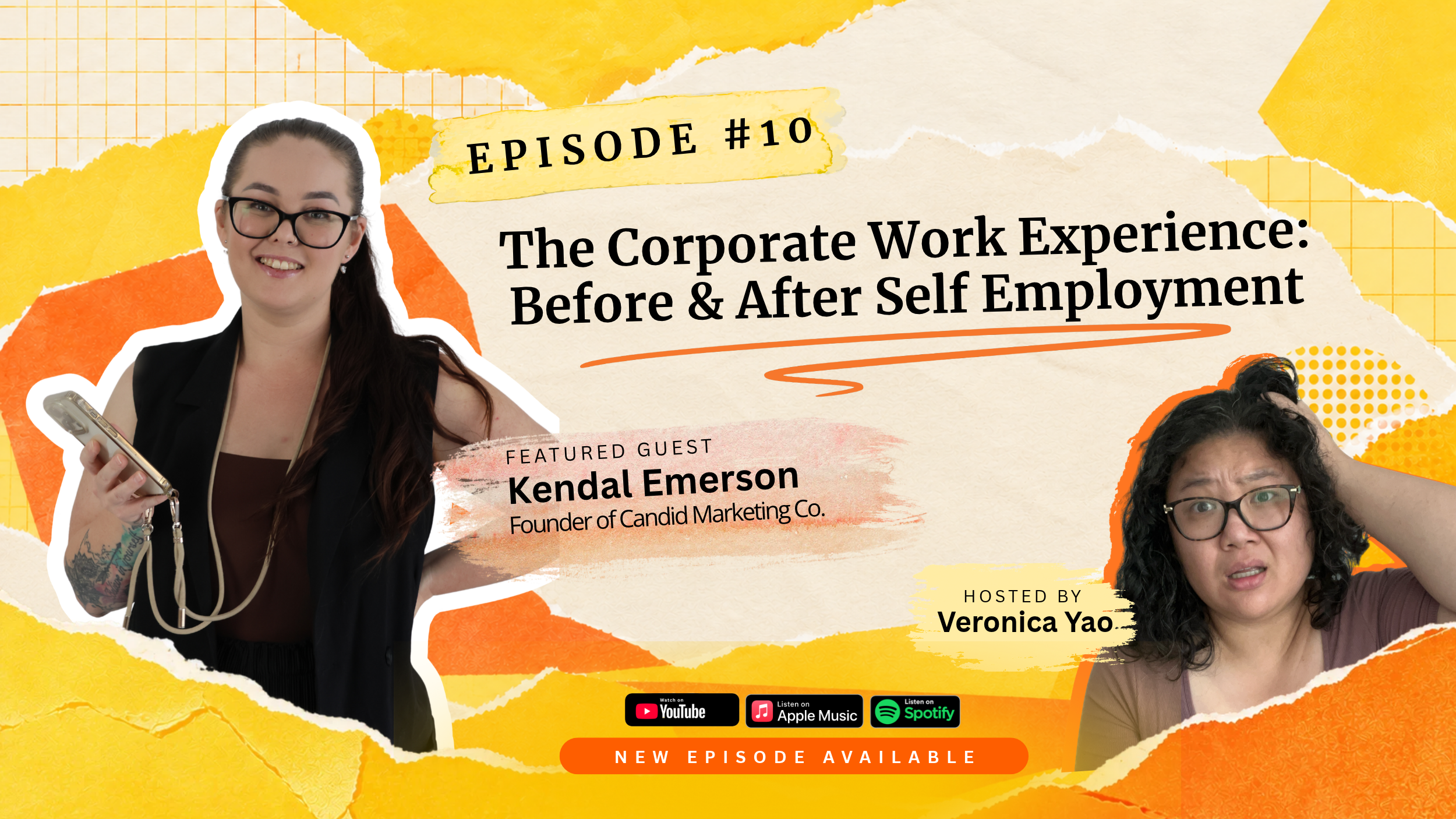
A visual representation of what neurodivergent professionals feel when they’re not given a clear and well defined solution to their career questions.
If you're looking for advice on what to do next in your career, you'll probably hate my initial response. But I swear, it's worth working through it.
Some of the most common questions I get as a neurodivergent-friendly career coach are about whether to disclose a diagnosis, whether it's time to change jobs, or even asking about workplace accommodations.
My answer? It depends.
Not the most inspiring thing to hear at first, is it? Neurodivergent professionals are constantly living in uncertainty because there is no roadmap for how to deal with the world of work.
So when they come to me for career advice, they want clear and defined solutions. They want a roadmap that takes them from where they are now to their destination. They want assurances that there is a light at the end of the tunnel.
Lots of career coaches out there have their go-to methods for supporting their clients. Some swear that networking is the only way to get a job, and focus on building skills in that area. Some of them focus on career assessments and tests.
But here's the thing: no two professionals, neurodivergent or not, are going to be the same. We all have different strengths, challenges, motivations, goals, and resources. So it stands to reason that unique people need tailored approaches.
That's all great, but you're probably thinking "okay, so if I ask Veronica a question, she'll just brush me off and say 'it depends'." And I want to put that idea to rest because that couldn't be further from the truth.
Don't think of "it depends" as the answer - think of it as a jumping off point where we can figure out what actually makes sense for you.
1. Assess the situation.
Look at the current reality without judgment. What is actually happening right now? If you're thinking about asking for accommodations or disclosing a diagnosis, we need to look at your current baseline.
Are you thriving and just looking to optimize your workflow, or are you on the brink of burnout and trying to stay afloat? Is your role stable, or is the company going through layoffs and restructuring?
Taking an honest inventory of the "here and now" tells us how much urgency—and how much room for error—we’re actually working with.
2. Identify factors.
Next, we have to look at all the moving parts that could influence the outcome of the situation.
Who are the key players involved, and what is your existing relationship with them? A manager who has already shown empathy and flexibility is a very different variable than a rigid supervisor who micromanages.
We also need to look at the broader environment: What is the company culture really like beneath the surface? Are there clear HR policies in place, or is everything handled informally?
3. Available resources.
Risk feels a lot scarier when you feel like you’re facing it alone. That’s why we need to look at what tools, support systems, and safety nets you have in your corner.
Internally, this might mean knowing your legal rights, having a supportive mentor at work, or utilizing an Employee Assistance Program (EAP).
Externally, it might mean having a therapist, a trusted friend to bounce ideas off of, or enough savings in the bank to walk away if a job turns out to be toxic.
Knowing what resources you can lean on gives you leverage—and helps us figure out how much risk you can actually afford to take.
4. Define the desired outcome.
Finally, we have to get crystal clear on what "success" actually looks like to you—not what you think it’s supposed to look like.
Let's say you're preparing for a job interview and wondering how much of your authentic, neurodivergent self to bring to the table. Before deciding, ask yourself what you really want out of the experience.
Are you in a spot where you just need a paycheck, even if the role isn't a great long-term fit? Or are you interviewing from a place of stability where you want to show up completely unfiltered, knowing it might weed out the wrong employers and give you the power to turn down an offer that doesn't serve you? When you know your endgame, the right next step becomes a lot clearer.
See what I mean? "It depends" isn't a dead end—it's an invitation to look at the whole picture. You don't need a one-size-fits-all career roadmap; you need a strategy that fits your brain, your life, and your goals.
So the next time you're stuck on a big career decision, take a breath, walk through these four steps, and remember that you get to decide what makes sense for you.