Navigating Higher Education, Intersectional Identities, & Changing Workplace Norms | Podcast Episode #4
In this episode of #WorkisRigged, Veronica and Kirby explore the realities of navigating higher education as a neurodivergent professional. They also talk about experiences that stem from their east asian, queer identities, and the important of intersectionality.
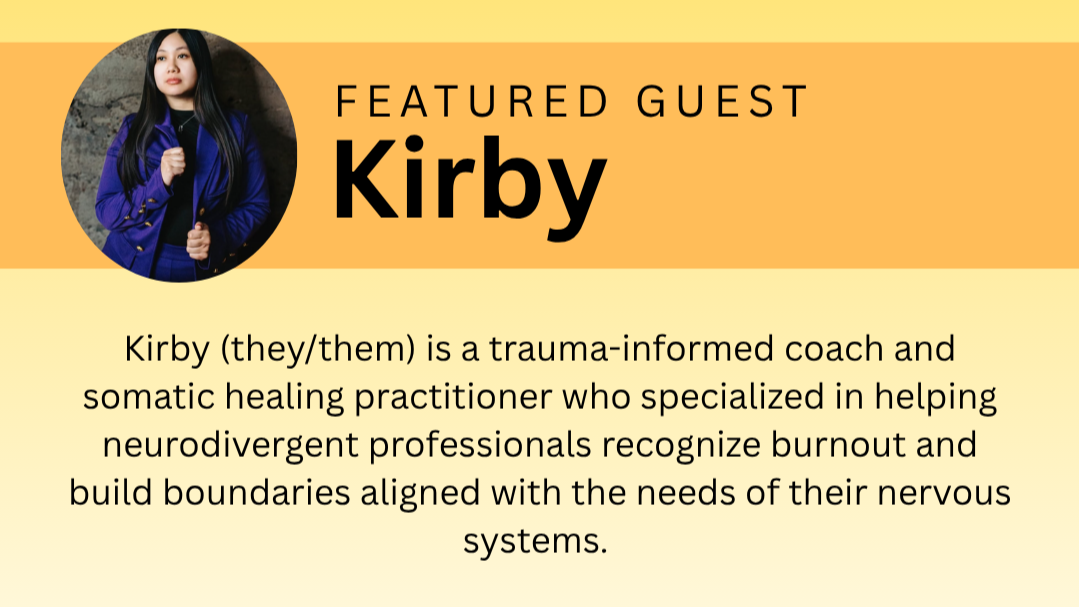
Our featured guest is Kirby, a trauma-informed coach and somatic healing practitioner who specializes in helping neurodivergent professionals recognize burnout and build boundaries aligned with the needs of their nervous systems.
SPOILERS! Here are some highlights from this episode:
Navigating higher education: Kirby reflects on the intense pressure of being a first-generation college student and “eldest daughter”, where the drive to excel and prove their capabilities was deeply intertwined with the responsibility of caretaking for their family. This academic journey was rarely just about grades; it required balancing neurodivergent symptoms with the weight of immigrant parents' sacrifices, creating a high-stakes environment where personal well-being often took a backseat to societal expectations.
Intersectional identities: Kirby and Veronica emphasize that neurodivergence cannot be viewed in isolation, stressing that one’s experiences are fundamentally shaped by overlapping identities such as race, immigrant status, and queerness. They discuss how being an Asian American brings unique societal stereotypes and pressures that must be recognized and processed as part of one’s neurodivergent journey, rather than treating symptoms as strictly biological or isolated events.
Changing workplace norms: The speakers critique the current professional culture that prioritizes subjective "vibe" and "fit" over actual skills, noting that these unwritten rules act as significant barriers for neurodivergent individuals who are often left hyper-vigilant about their presentation. Instead, they advocate for a new standard of leadership where managers normalize checking in on energy and well-being, creating environments where work accommodations are seen as human-centric practices rather than a source of shame.